Deep sea vents
Chemistry

What Makes Deep-Sea Hydrothermal Vents So Unusual?

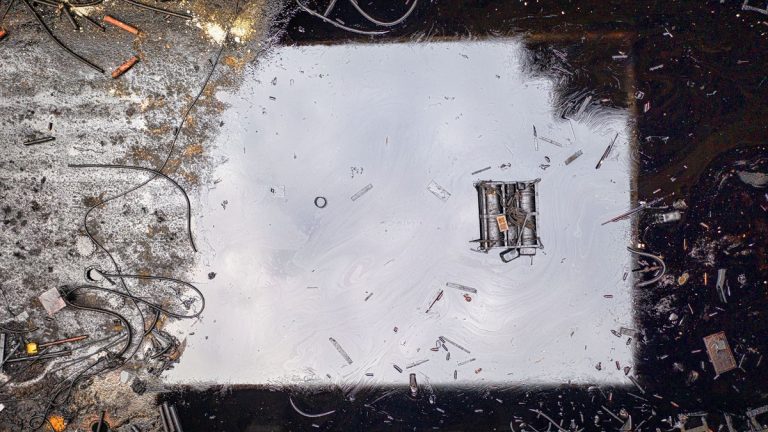
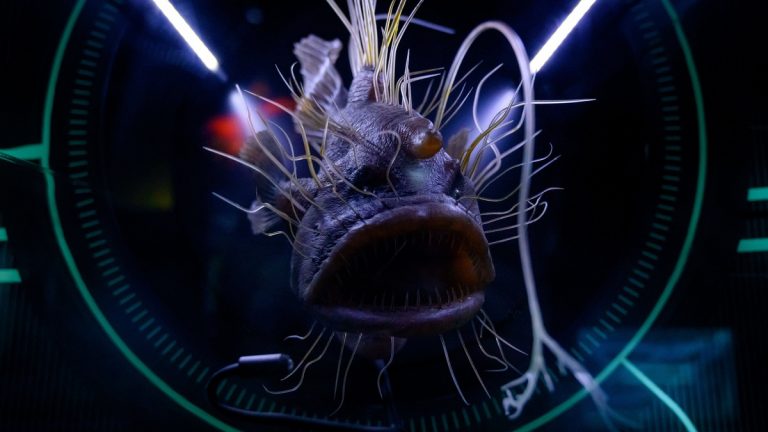
Far below the reach of sunlight, the seafloor can split open and release jets of mineral-rich water into the dark. Around those openings, called deep-sea hydrothermal vents, the ocean turns into something that feels almost otherworldly. Towering chimneys grow out of rock. Hot fluids burst into near-freezing water. And whole communities of animals gather where,…

Latest

Stories

Green red sea
Chemistry

Why Some Coastal Waters Turn Green or Red

Seen from a beach, coastal water can look like it changes moods overnight. One week it glows blue-green in the sun. A few days later it turns murky olive, rusty brown, or even a startling brick red. Those shifts can feel dramatic because they are dramatic. They reveal a moving mix of life, light, sediment…

Featured image
Chemistry

Why Is the Ocean Salty?

Take a sip of seawater and your mouth gets the answer before your brain does. The ocean holds a huge load of dissolved minerals and that gives it its sharp, familiar taste. For a question that sounds almost childlike, the real answer stretches across rainstorms, rivers, deep cracks in the seafloor and spans of time…

Featured image
Chemistry

How Rising Acidity Changes Ocean Water

The ocean looks steady from the shore. Under the surface, though, it is constantly trading gases with the air above it. That exchange has always been part of Earth’s rhythm. What’s changed is the amount of carbon dioxide we’re adding to the atmosphere and how much of it the sea is taking in. That matters…

Low oxygen ocean
Chemistry

What Low Oxygen Does in the Sea

The sea looks full of motion. Waves roll. Fish flash by. Plankton bloom and vanish. Beneath all that movement sits a quiet requirement, dissolved oxygen. Every breathless patch of water changes the rules for life below the surface. Scientists have a striking phrase for the recent shift. In one 2024 paper, researchers wrote that the…

Ocean carbon
Chemistry

How Carbon Moves Between the Air and the Ocean

Every day, the planet runs a huge exchange program at the sea surface. Carbon slips out of the air, into the ocean, back to the air again and onward through currents, chemistry and living things. The motion is invisible, though its effects reach from climate to coral reefs to the fish on dinner plates. The…

Editorial

Meet the Team

Anna Escalada

Chemical Engineer and Editorial Contributor

Anna Escalada

Chemical engineer with experience in lab methods, GMP systems, process monitoring, and safety. Covers chemistry, health, environmental measurement, and human-centered science.

Eldritz Keith Sayas

Geology Graduate and Editorial Contributor

Eldritz Keith Sayas

Geology graduate with experience interpreting scientific, geological, and natural-hazard data. Covers earth systems, environmental science, GIS, and monitoring-based research.

Mary Grace Valencia

Biology and Science Education Contributor

Mary Grace Valencia

Science educator with academic training in general science and biology. Covers biology, health, and the fundamentals that connect classroom science with real-world discovery.

Sections