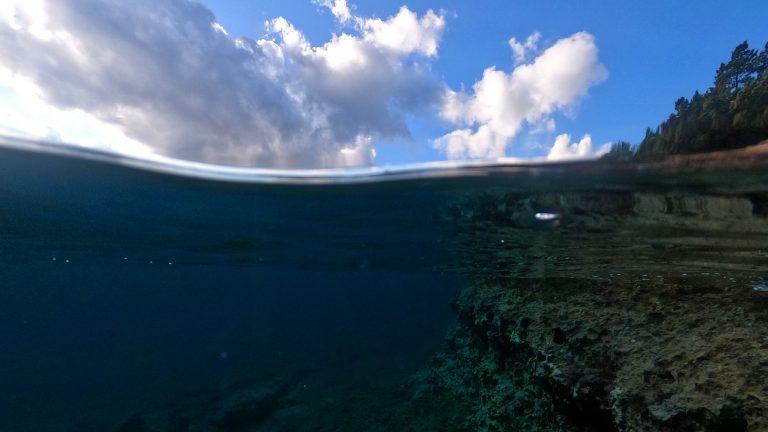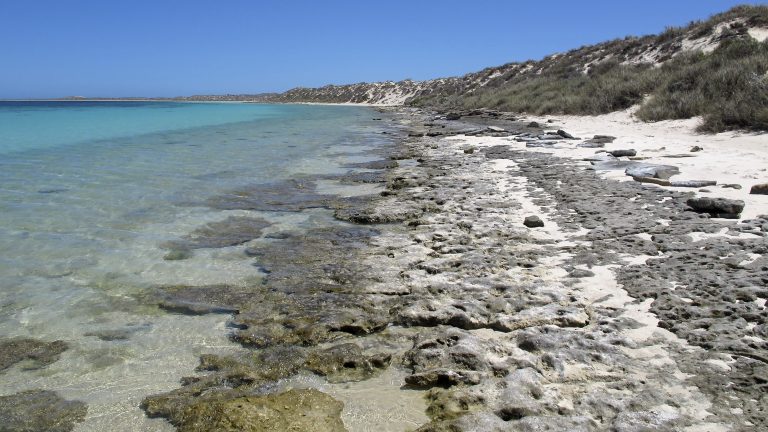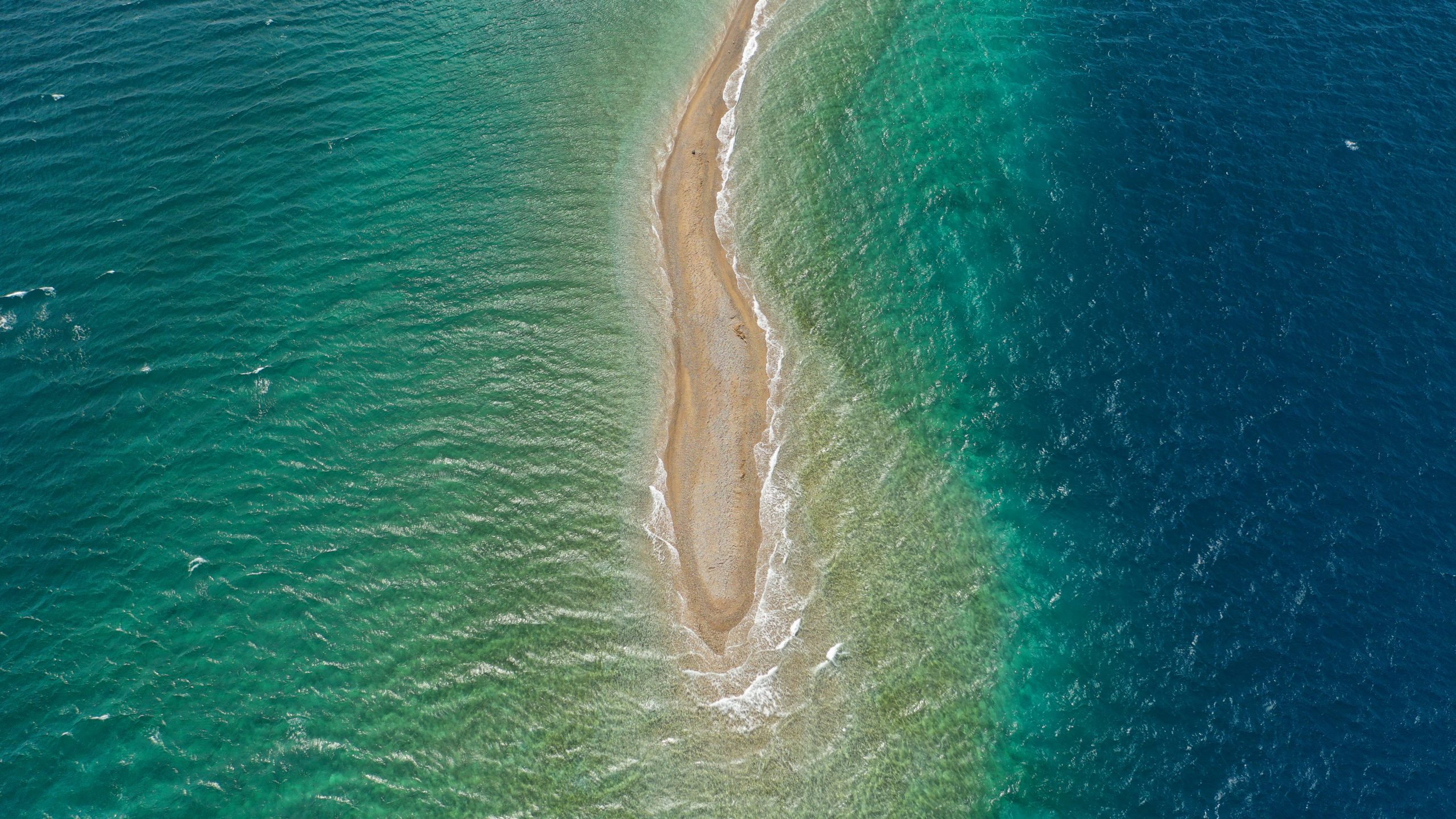
Seen from a beach, coastal water can look like it changes moods overnight. One week it glows blue-green in the sun. A few days later it turns murky olive, rusty brown, or even a startling brick red. Those shifts can feel dramatic because they are dramatic. They reveal a moving mix of life, light, sediment and chemistry near shore.
Scientists watch these color swings closely because coastal color carries clues about what is happening in the water. Tiny drifting organisms, river runoff, stirred-up sand and dissolved material from wetlands all change the way sunlight is absorbed and scattered. From above, satellites can pick up those signals across huge stretches of coastline.
Over the past two decades, researchers have found broad changes in ocean color and a rise in coastal algal bloom activity in many parts of the world. That does not mean every green patch or every red patch has the same cause. Coastal water is wonderfully messy. Still, the color itself is often the first visible sign that something important is underway.
What Sets the Color
Start with sunlight. Water absorbs and reflects different wavelengths in different ways and the picture changes fast when the upper layer fills with particles or pigments. A long-running set of satellite data shows that the visible light leaving the ocean surface carries combined information about microbes, organic matter and particles in the water.
Near the coast, several ingredients compete at once. Phytoplankton contain pigments that can push water toward green. Mud and sand lifted from the seafloor can brighten or dull the surface. Rivers and marshes add tea-colored substances that darken the water. NASA notes that coastal scenes can include dissolved organic matter, stirred sediment, shallow bottom features and hints of algae all in the same image.
That complexity is why the same bay can look turquoise in the morning and olive by afternoon. Wind can churn bottom sediment into the surface layer. A heavy rain can send dark runoff outward from land. A burst of microscopic growth can add a green cast that is strongest where currents bunch the cells together.
Satellites help because they see patterns that are hard to catch from shore. Researchers in Nature used 20 years of MODIS-Aqua observations and found significant shifts across a large fraction of the ocean, with increases at intermediate wavelengths that suggest the sea as a whole is becoming greener. A separate coastal analysis used daily satellite images from 2003 to 2020 to map blooms around the world.
So the color of coastal water is a kind of living signal. It can reflect thriving plankton at the base of the food web. It can also point to runoff, warming, stagnant conditions, or a bloom with harmful side effects. The complicating factor is that the same shade on the surface can come from several overlapping causes.
Why Water Turns Green
Green water often begins with growth. Coastal seas can become rich with microscopic algae after sunlight, nutrients and calm conditions line up. When those cells gather near the surface, their pigments shift the reflected light. In simple terms, more life near the top often means a greener view from above.
Many of those organisms are phytoplankton, the tiny drifters that support marine food webs and produce a huge share of Earth’s primary production. Dense phytoplankton blooms can give coastal water a green sheen, especially in productive estuaries, shelf waters and river-influenced coasts. Researchers who built a global bloom map found blooms in 126 of 153 coastal countries they examined.
Sometimes that green is tied to nutrients washing in from land. Rivers carry fertilizer, sewage and organic material toward the sea. The 2023 Nature study found more bloom events in estuarine regions than along coasts without major river discharge, highlighting the importance of terrestrial nutrient sources. That pattern helps explain why bays and river mouths can color up quickly after runoff pulses.
In other places, green water signals sediments and nutrients rising. Shallow water can reveal the pale bottom beneath it. Wind and waves can resuspend fine particles and make the surface brighter and greener. NASA’s description of Florida coastal imagery points to shallow seafloors and re-suspended sediment as part of the color mix along with algae.
There is also a darker green, almost bottle-colored shade, that comes with colored dissolved organic matter. This material often arrives from wetlands, forests and river systems. It can soak up blue light and change the hue of the water, especially near estuaries. When it combines with algae and sediment, the result can look swampy, green, or green-brown depending on the angle of light.
Over decades, the greening signal reveals a bigger story. A Nature study reported that ocean color changed significantly over a large fraction of the sea in the past 20 years, with a broad tendency toward greener conditions. A linked Nature report described that finding as evidence that climate change is already being detected in the color of the ocean.
Why Water Turns Red
Red water usually grabs attention for obvious reasons. It looks strange, sometimes beautiful and often alarming. In coastal science, the best-known example is the red tide, a bloom dense enough to tint the water rusty red, brown-red, or reddish orange.
Along Florida’s Gulf coast, one major culprit is Karenia brevis, a microscopic alga that produces potent toxins. NOAA says these blooms have become a near annual occurrence along the west coast of Florida. NASA’s Earth Observatory has shown how such blooms can spread through coastal waters where runoff, circulation and local conditions help keep cells concentrated near shore.
Color alone does not reveal the danger level, but it can hint at a dense bloom. The water turns red because the organisms are present in such high numbers that their pigments change the visible surface. During one unusual Florida event, NOAA oceanographer Richard Stumpf called the bloom “doubly unusual,” because it was intense and pushed well into Tampa Bay in summer. That kind of concentration can amplify impacts close to people and wildlife.
Some red blooms stay offshore where currents can spread them out. Trouble grows when wind and circulation steer them into enclosed or heavily used coastal areas. In the same NASA account, optical oceanographer Chuanmin Hu explained that blooms become more troublesome when they sit inside and around the mouth of Tampa Bay, where dilution is weaker and exposure is greater.
Red color can also arrive with a harsh ecological cost. NOAA’s Florida research links prolonged Karenia brevis blooms with zones of low oxygen. Fish kills, respiratory irritation near beaches and large marine animal deaths can follow when toxins and oxygen stress build together. That is when a striking color shift stops being a curiosity and becomes a public health and ecosystem event.
Why Coasts Change Fast
Coasts are fast-changing places because everything meets there at once. Rivers deliver nutrients and dark dissolved material. Tides pull ocean water in and out. Wind stirs the bottom. Sunlight changes through the day. Add a shelf current or a summer storm and the color map can redraw itself in hours.
For one thing, coastal waters are shallow enough for the seabed to matter. Sand, mud and shell fragments can be kicked up into the water column by waves and boat traffic. A small increase in suspended particles can change how the surface reflects light. That makes coastlines visually sensitive in a way that the open ocean usually is not.
River mouths add another layer of speed. Freshwater plumes spread across saltwater and carry nutrients that can feed blooms. They also carry organic compounds that darken the water. The global bloom study found a strong signal in estuarine regions, which helps explain why coasts near major runoff often show rapid swings between blue, green, brown and mixed shades.
Then there is temperature. The 2023 Nature bloom analysis found that global coastal bloom extent rose by 13.2 percent between 2003 and 2020, while bloom frequency rose by 59.2 percent and the trends were linked to recent increases in sea surface temperature. Warmer water can favor certain bloom conditions and alter the timing of seasonal growth.
Meanwhile, larger scale climate-driven shifts may be changing the background against which local events unfold. The broader ocean color study suggests that the effects of climate change are already being felt in surface marine microbial ecosystems. When that long-term signal meets runoff, wind and coastal circulation, the shoreline becomes a place where change is easy to spot with the naked eye.
That is why a single beach photo can be misleading. A green slick might come from productive plankton, sediment, dissolved matter, or a combination of all three. A red patch might signal a harmful bloom, but the true risk depends on the species, density, toxins and local weather. Coastal color changes fast because the coast itself is a fast-moving system.
When a Bloom Becomes a Warning Sign
A bloom becomes a warning sign when color is joined by consequences. Scientists draw a line between ordinary bursts of growth and events that threaten marine life, fisheries, or people. Some blooms release toxins. Others collapse and rot, which strips oxygen from deeper water. Both pathways can stress a coast very quickly.
On the harmful end of the spectrum, toxic species can move through the food web. The Nature coastal bloom paper notes that some algal toxins accumulate and trigger fishery closures, illness and wildlife deaths. These events matter far beyond the waterline because coastal economies, tourism and seafood harvests all depend on stable conditions.
Another danger arrives after the bloom peaks. As dense algae die and decompose, microbes consume oxygen in the process. That can create bottom waters with too little oxygen for fish and invertebrates. NOAA’s NOAA study on Florida found that hypoxia and extreme red tides co-occurred in several years, including 2005, 2014 and 2018.
The human side is easy to miss until it happens. Some red tide toxins become airborne in sea spray and irritate the lungs and eyes of people near the shore. Fish kills can leave beaches littered and foul-smelling. Managers then have to balance public warnings, fishery decisions and wildlife response while the bloom is still moving.
Even so, color remains one of the most useful early clues. Satellite imagery, field sampling and local forecasts can turn a strange-looking patch of water into a clearer picture of what is happening. A sharp change to green or red does not tell the full story on its own, but it tells scientists where to look next and sometimes how urgently they need to act.